
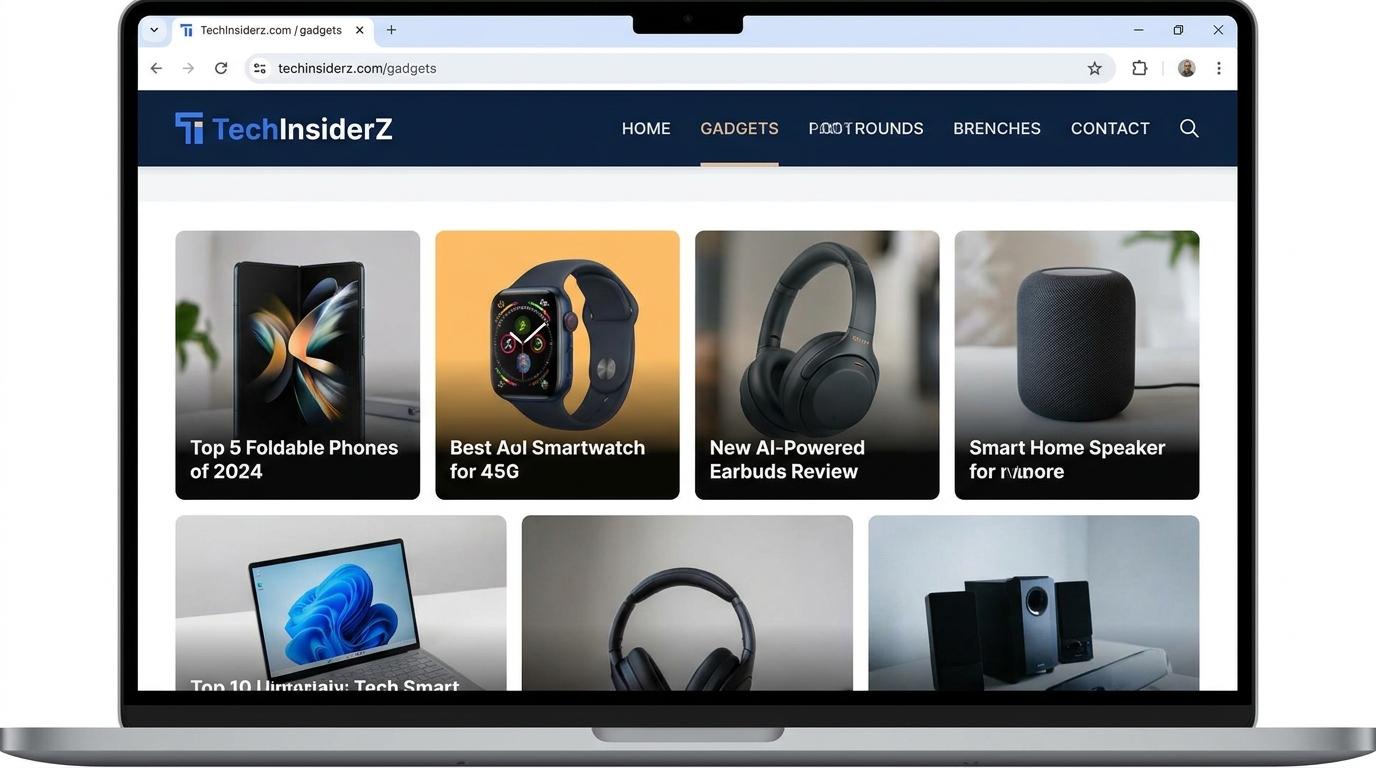
Technology moves at lightning speed. Every week, it feels like there’s a new smartphone, wearable, or AI-powered device hitting the market. And honestly? Keeping up can be exhausting. That’s exactly why TechInsiderz.com gadgets has become the go-to destination for people who want clear, honest, and jargon-free advice on consumer tech.
Whether you’re hunting for your next smartphone, trying to build a smarter home, or just curious about the latest trends, this guide is designed to help you make confident decisions. We’ve analyzed the top gadget categories, identified the biggest trends of 2026, and put together practical advice that actually makes sense for real people. No confusing specs. No marketing fluff. Just straightforward guidance that works.
Let’s dive into everything you need to know about navigating the exciting world of gadgets this year.
Why TechInsiderz.com Gadgets is Your Go-To Tech Destination in 2026
The tech world is crowded. There are hundreds of websites, YouTube channels, and social media influencers all claiming to have the best gadget advice. So what makes TechInsiderz.com gadgets different?
It all comes down to one core belief: technology should be accessible to everyone. You shouldn’t need a computer science degree to understand whether a new phone is right for you. You shouldn’t have to decode marketing jargon just to figure out if a smartwatch actually fits your lifestyle.
TechInsiderz.com gadgets cuts through the noise. The platform focuses on what matters most in everyday use. Battery life that actually lasts a full day. Camera quality that delivers in real-world conditions. Software that doesn’t frustrate you. And most importantly, honest opinions that highlight both the strengths and weaknesses of every device.
The team behind TechInsiderz.com understands that buying a gadget is an investment. Whether you’re spending $200 or $2,000, you deserve to know exactly what you’re getting. That’s why every review, buying guide, and comparison is written with care, transparency, and a genuine desire to help.
In 2026, consumers are smarter than ever. They’re asking better questions. They’re demanding more from brands. And they want information they can trust. TechInsiderz.com gadgets delivers exactly that.
The 7 Biggest Gadget Trends Dominating 2026 (And What They Mean for You)
Before we get into specific products, let’s talk about the bigger picture. Technology doesn’t exist in a vacuum. The gadgets we buy are shaped by broader trends that affect everything from pricing to features to longevity.
Here are the seven most important trends defining the consumer tech landscape in 2026:
Artificial Intelligence Everywhere
AI isn’t just for data scientists anymore. It’s baked into practically every new device hitting the market. Smartphones use AI to enhance photography, optimize battery usage, and even translate languages in real time. Wearables use AI to analyze health data and provide personalized insights. Smart home devices use AI to learn your habits and automate routine tasks. The key question isn’t “does this device have AI?” but rather “does this AI actually make my life easier?”
Sustainability and Eco-Friendly Design
Consumers are increasingly aware of the environmental impact of their purchases. Manufacturers have taken notice. We’re seeing more devices made with recycled materials, biodegradable packaging, and longer software support cycles. Some brands are even offering trade-in programs that properly recycle old devices. This trend isn’t just good for the planet. It’s also good for your wallet, as devices designed to last longer provide better value over time.
The Smart Home Ecosystem Expansion
Smart homes are no longer a futuristic concept. They’re here, and they’re growing. The key players like Google, Amazon, and Apple continue expanding their ecosystems, making it easier than ever to connect your devices and control them with your voice. The real breakthrough? Interoperability. Devices from different brands are finally starting to work together seamlessly, which means you can mix and match without getting locked into a single ecosystem.
Health Tech Goes Mainstream
Wearable devices have evolved far beyond simple step counters. Modern smartwatches and fitness trackers monitor heart rate variability, sleep quality, stress levels, and even blood oxygen levels. Some devices can detect irregular heart rhythms and alert you to potential health issues. While they’re not medical devices, these wearables empower users to take a more active role in their wellness journey.
Foldables and Flexible Screens
Foldable smartphones have matured significantly. Early models had durability issues and visible screen creases. Today’s foldables are more robust, lighter, and increasingly practical for everyday use. The technology is still evolving, but foldables are no longer a niche curiosity. They’re becoming a legitimate option for users who want a tablet-sized screen in a phone-sized package.
Hyper-Connectivity with Wi-Fi 7 and 5G
The way we connect to the internet is changing. Wi-Fi 7 is rolling out, promising faster speeds, lower latency, and better performance in crowded areas. Meanwhile, 5G networks continue expanding globally. These technologies enable new possibilities, from cloud gaming to seamless video calls to real-time collaboration. When choosing a device in 2026, future-proofing with the latest connectivity standards is definitely worth considering.
The Creator Economy’s Impact on Gadgets
More people are creating content than ever before. YouTube, TikTok, Instagram, and podcasting have turned millions into creators. This has driven demand for better cameras, professional-quality microphones, and portable lighting solutions. Smartphones now boast cinema-grade video capabilities, and dedicated audio gadgets have become more accessible to everyday users.
Smartphones and Foldables: Choosing Your Next Powerhouse in 2026
Let’s be honest. Choosing a smartphone in 2026 is overwhelming. Flagship models from Apple, Samsung, Google, and others all look incredible on paper. But how do you know which one is right for you?
First, understand that the gap between flagship and mid-range phones has narrowed significantly. You don’t always need to spend $1,000+ to get a great experience. Mid-range devices now offer impressive cameras, solid performance, and excellent battery life at more accessible price points.
When comparing smartphones, focus on these factors rather than just raw specs:
Camera Quality
Megapixel count matters far less than you might think. Computational photography, image processing, and sensor quality have a much bigger impact on final image quality. Look for devices that excel in low-light conditions, offer optical image stabilization, and provide versatile zoom capabilities. Real-world photo samples from users often tell a more accurate story than marketing materials.
Software Experience and Updates
This is arguably the most overlooked factor. A phone might have incredible hardware, but if the software is buggy, cluttered with bloatware, or lacks long-term support, you’ll be disappointed. Check how many years of software updates the manufacturer promises. Some brands now offer 5-7 years of updates, which significantly extends the useful life of your device.
Battery Life and Charging
Battery life varies dramatically between devices. A phone that lasts all day on a single charge is non-negotiable for most users. Also consider charging speed. Fast charging can be a lifesaver on busy days. Wireless charging offers convenience, though it’s typically slower than wired alternatives.
Ecosystem Compatibility
Are you already invested in a particular brand ecosystem? If you use a MacBook and AirPods, an iPhone might integrate more smoothly with your existing setup. Similarly, Samsung’s ecosystem offers seamless connections with Galaxy watches, tablets, and TVs. Think about how a new phone will fit into your broader digital life.
Foldables: Are They Ready for Prime Time?
Foldable smartphones have improved dramatically in 2026. Hinge mechanisms are more durable. Flexible displays are more resistant to scratches. And the crease is less noticeable than in earlier generations. However, foldables still come with trade-offs. They’re generally more expensive, slightly heavier, and potentially more fragile than traditional slab phones. If you value multitasking and media consumption, a foldable might be worth the premium. For casual users, a standard smartphone may still be the better choice.
Wearables and Health Tech: Gadgets That Actually Improve Your Life
Wearable technology has quietly become one of the most impactful categories in consumer electronics. Smartwatches, fitness bands, and smart rings are no longer just trendy accessories. They’re genuinely useful tools that help people live healthier lives.
So, what should you look for when choosing a wearable device?
Health Metrics That Matter
Not all wearables are created equal. Basic models track steps, heart rate, and sleep duration. Advanced models also monitor heart rate variability, stress levels, skin temperature, and blood oxygen saturation. Some even provide electrocardiogram (ECG) functionality that can detect signs of atrial fibrillation.
The data becomes valuable when it helps you make positive changes. Seeing that your sleep quality improves with earlier bedtimes or that your stress levels spike during certain activities can guide healthier habits.
Battery Life
Some smartwatches need daily charging, while others last several days or even weeks on a single charge. Consider how often you’re willing to plug in your device. If you want to track sleep, a longer battery life is especially important so you don’t have to charge overnight.
Design and Comfort
You’ll be wearing this device all day, so comfort matters. Lightweight materials, comfortable straps, and a display that’s easy to read in various lighting conditions all contribute to a better experience.
Smartphone Integration
Most wearables work best when paired with a smartphone. Check for compatibility with your phone’s operating system. Some devices are optimized for iOS, others for Android, and a select few work well with both.
Smart Rings: The New Alternative
Smart rings are gaining popularity as a more discreet alternative to smartwatches. They’re smaller, lighter, and less intrusive while still offering many of the same health tracking features. They’re particularly appealing to users who prefer minimalist accessories or who want to track sleep without wearing a watch to bed.
Smart Home and Automation: Building a Smarter, Safer Home
Smart home technology has evolved from a niche hobby to a mainstream expectation. Whether you’re a tech enthusiast or a complete beginner, there are smart home devices that can make your life easier, more comfortable, and more secure.
Start with One Device
If you’re new to smart home gadgets, resist the urge to buy everything at once. Start with one device that solves a specific problem. A smart thermostat that learns your schedule and saves energy. A smart lighting system that lets you control your lights from anywhere. A smart security camera that gives you peace of mind when you’re away.
Choose an Ecosystem
Smart home devices typically work better when they’re part of a compatible ecosystem. Google Home, Amazon Alexa, and Apple HomeKit are the three major players. Each has its strengths and weaknesses. Google offers excellent voice recognition and tight integration with Google services. Amazon has the widest range of compatible devices and the most affordable options. Apple offers the strongest privacy protections and seamless iPhone integration.
Voice Assistants vs. App Controls
Most smart home devices can be controlled via voice assistants, apps, or both. Voice control is convenient for quick tasks like turning off lights or adjusting the thermostat. App control offers more granular control and advanced automation settings.
Security and Privacy
As you add more smart devices to your home, security and privacy become important considerations. Change default passwords on all devices, enable two-factor authentication where available, and keep firmware updated. Consider using a separate network for your smart devices to isolate them from your computers and phones.
Integration and Automation
The real magic of smart homes lies in automation. Set your lights to gradually brighten in the morning. Schedule your thermostat to lower temperatures when you leave for work. Have your security cameras start recording when you’re away. These automations can significantly improve your daily routine.
Gaming and Audio Gear: Level Up Your Entertainment in 2026
Whether you’re a casual gamer or a dedicated enthusiast, the right gear can transform your experience. Gaming gadgets and audio equipment have advanced significantly in 2026, offering features that were unimaginable just a few years ago.
Gaming Consoles and Accessories
The console wars continue with PlayStation, Xbox, and Nintendo offering compelling options. But beyond the consoles themselves, accessories play a huge role in the gaming experience.
High-performance gaming controllers with back paddles, customizable triggers, and superior ergonomics provide a competitive edge. Headsets with spatial audio, noise cancellation, and comfortable design immerse you in the game world. Charging docks keep your devices powered and organized.
The Rise of Portable Gaming
Handheld gaming devices have made a big comeback. Devices like the Steam Deck and Asus ROG Ally allow you to play PC-quality games on the go. These devices are more powerful than ever, and they’re surprisingly comfortable for extended gaming sessions.
Choosing the Right Audio Gear
The audio market is flooded with options, making it easy to get lost in the choices. When selecting headphones, earbuds, or speakers, consider these factors:
- Sound Quality: Look for devices with good clarity, balanced bass, and minimal distortion. The best way to judge is to try before you buy or read multiple reviews.
- Battery Life: Wireless audio devices need adequate battery life. Look for at least 8-10 hours of playback for earbuds and 20+ hours for over-ear headphones.
- Noise Cancellation: Active noise cancellation (ANC) has become a standard feature on many devices. Good ANC can significantly improve your listening experience, especially in noisy environments.
- Comfort: If you’ll be wearing your device for hours, comfort is non-negotiable. Pay attention to weight, ear pad material, and clamping force.
Wireless Earbuds vs. Over-Ear Headphones
Wireless earbuds are convenient, portable, and increasingly feature-rich. Many offer good sound quality and effective noise cancellation. Over-ear headphones typically provide superior audio quality, better noise isolation, and longer battery life, but they’re less portable.
AI-Powered Gadgets: Are Smart Devices Really Smarter Now?
Artificial intelligence is everywhere in 2026, but not all AI features are equally useful. Understanding the difference between genuine innovation and marketing hype will save you money and frustration.
What Makes an AI Gadget “Smart”?
True AI gadgets learn from your behavior and adapt accordingly. A smart thermostat that automatically adjusts based on your schedule? That’s useful AI. A smartphone camera that recognizes faces and optimizes settings? That’s genuinely helpful. A so-called “AI” device that simply follows programmed routines? That’s just software, not artificial intelligence.
AI in Cameras and Photography
One of the most practical applications of AI is in camera technology. Modern smartphones use AI to enhance low-light photography, stabilize video, and even suggest the best composition. Some devices can automatically retouch photos or remove unwanted objects from the frame.
AI in Productivity Tools
AI-powered productivity tools have become indispensable for many professionals. Smart notebooks that transcribe and organize handwritten notes. Language translation apps that work in real time. Writing assistants that help compose emails and documents. These tools save time and reduce frustration.
AI in Wearables
AI in wearables analyzes your health data to provide personalized insights. It can identify patterns in your sleep, activity, and stress levels, then suggest actionable improvements. This is AI making a tangible difference in people’s lives.
Beware of AI-Washing
Some manufacturers slap the “AI” label on devices that don’t actually use artificial intelligence. Look for specific features and use cases. If a company can’t clearly explain how AI benefits you, it’s probably not worth the premium.
Portable Tech and Everyday Accessories: The Unsung Heroes
Not all gadgets grab headlines, but many of the most useful devices are simple, affordable, and designed to make daily life just a little bit easier. Portable tech and everyday accessories often deliver outsized value.
Power Banks and Portable Chargers
Running out of battery is one of the most frustrating experiences in modern life. A reliable power bank provides peace of mind. Look for devices with fast charging, multiple ports, and adequate capacity to charge your devices at least once.
Travel Adapters and Chargers
If you travel internationally, a universal travel adapter with USB ports is essential. Some modern chargers are incredibly compact and can charge multiple devices simultaneously, making them ideal for both travel and everyday use.
Mini Projectors
Mini projectors have become more affordable and capable. They’re perfect for watching movies in the backyard, sharing photos at a gathering, or extending your screen for business presentations.
Cable Organizers and Accessories
Messy cables can quickly turn your bag into a tangled mess. Simple organizers, cable ties, and compact carrying cases keep everything neat and accessible.
Portable Monitors
For professionals who work remotely or frequently travel, a portable monitor provides additional screen real estate without the bulk of a traditional monitor. These devices are thin, lightweight, and connect via a single USB-C cable.
The Smart Buyer’s 5-Step Checklist: How to Choose the Perfect Gadget
Making a smart gadget purchase doesn’t have to be complicated. Follow this five-step checklist to avoid buyer’s remorse and find the perfect device for your needs.
Step 1: Identify Your Core Need
Before you research any device, clearly define what you need it to do. Are you buying a phone primarily for photography? Is the new smartwatch meant for serious fitness tracking or casual notifications? Understanding your primary use case guides every subsequent decision.
Step 2: Set a Realistic Budget
Gadgets come in every price range, from budget to ultra-premium. Decide what you’re comfortable spending and try to stick to it. Remember that the most expensive device is not necessarily the best choice for you.
Step 3: Compare Key Features (Not Just Specs)
Marketing often emphasizes technical specs that have little relevance to everyday use. Focus on features that matter in practice. Battery life, camera quality, software updates, and ecosystem compatibility are often more important than processor speed or megapixel count.
Step 4: Read Honest Reviews
Take the time to read multiple reviews from trusted sources. Look for reviews that discuss both advantages and disadvantages. User reviews can be especially valuable for understanding real-world performance and potential issues.
Step 5: Check Software Updates and Warranty
A device that only receives a year or two of software updates will quickly become outdated and insecure. Look for devices with long-term update commitments. Also check the warranty and what it covers. A good warranty provides peace of mind in case of defects.
Budget vs. Premium Gadgets: Which One Should You Buy?
This is one of the most common dilemmas for gadget buyers. Should you splurge on the flagship model or save money with a more affordable option?
When Premium Makes Sense
Premium gadgets often offer better build quality, more advanced features, and longer software support. If you’re a power user who relies on your device for work, creative projects, or intensive gaming, the extra investment can be worthwhile. Premium devices also tend to hold their value better and offer a more refined user experience.
When Budget is the Better Choice
For casual users, budget devices often provide excellent value at a fraction of the cost. Mid-range smartphones now offer cameras, performance, and battery life that are more than adequate for everyday tasks. Budget wearables provide essential health tracking without premium price tags.
The Sweet Spot: Mid-Range Devices
Many users find that mid-range devices strike the best balance between price and performance. These devices typically offer 80-90% of the features of premium models at 50-60% of the price. They’re perfect for users who want a solid experience without paying top dollar.
Consider Total Cost of Ownership
When comparing budget and premium options, consider the total cost of ownership. A premium device that lasts five years might provide better value than a budget device that needs replacing every two years. Also factor in accessories, repairs, and potential resale value.
Eco-Friendly Tech: How to Choose Sustainable Gadgets in 2026
The tech industry produces a staggering amount of electronic waste. In 2026, consumers are increasingly conscious of their environmental impact, and manufacturers are responding with more sustainable products.
What Makes a Gadget Eco-Friendly?
Multiple factors contribute to a device’s environmental footprint:
- Recycled Materials: Many brands now use recycled aluminum, plastic, and other materials in their products.
- Energy Efficiency: Devices that consume less energy reduce both your electricity bill and your carbon footprint.
- Repairability: Gadgets designed to be easily repaired have a longer lifespan, reducing e-waste.
- Software Support: Long-term software updates extend the useful life of devices, delaying the need for replacement.
- Reduced Packaging: Minimalist, biodegradable packaging reduces waste.
Brands Leading in Sustainability
Several major technology companies have made significant commitments to sustainability. Apple aims for complete carbon neutrality across its supply chain. Samsung has introduced eco-friendly packaging and extended software support. Fairphone specializes in modular, repairable phones. Researching a brand’s sustainability efforts can guide your purchasing decisions.
How to Recycle Old Gadgets
When it’s time to part ways with your old device, don’t throw it in the trash. Many manufacturers offer trade-in or recycling programs. Retailers like Best Buy also accept electronics for responsible recycling. Proper recycling recovers valuable materials and prevents toxic components from entering landfills.
Top 7 Gadget Buying Mistakes to Avoid in 2026
Even experienced tech buyers can make mistakes. Avoid these common pitfalls to ensure you’re happy with your next gadget purchase.
Mistake 1: Buying Based on Specs Alone
Specs don’t tell the whole story. A phone with a 200-megapixel camera might take worse photos than a phone with a 50-megapixel camera and better image processing. Focus on real-world performance, not just numbers on a spec sheet.
Mistake 2: Ignoring Software Update Policies
A great device with only two years of software updates will quickly feel obsolete. Always check how long a manufacturer promises to provide updates. Five years or more is ideal.
Mistake 3: Overlooking Ecosystem Compatibility
If you already use devices from a particular brand, a compatible new device will likely integrate more smoothly. Switching ecosystems can be frustrating and costly.
Mistake 4: Buying First-Generation Products
First-generation devices often have bugs, durability issues, and missing features. Later generations are usually more refined. Unless you’re an early adopter who enjoys experimenting, wait for reviews on Gen 1 products.
Mistake 5: Forgetting to Check Return Policies
Return policies vary widely between retailers. Some offer generous 30-day returns with free shipping. Others have restrictive policies and restocking fees. Always understand the return policy before you buy.
Mistake 6: Not Reading Reviews Before Buying
Don’t skip the review phase. Read opinions from multiple sources, including users who have actually lived with the device for weeks or months.
Mistake 7: Comparing on Price Alone
The cheapest device may cost more in the long run if it doesn’t meet your needs. Factor in features, longevity, and overall user experience, not just the initial purchase price.
Which Gadget Suits Your Lifestyle?
Gadgets aren’t one-size-fits-all. The best device for you depends entirely on how you live, work, and play. Here’s a quick guide to matching gadgets to different lifestyles:
For Professionals
Professionals often need reliable, high-performance devices that won’t let them down. A premium laptop with ample RAM, fast storage, and a comfortable keyboard is essential. Noise-cancelling headphones create a distraction-free work environment. A portable monitor expands screen real estate for productivity on the go.
For Travelers
Frequent travelers should prioritize portability and durability. A lightweight smartphone with excellent battery life. A compact power bank. Universal travel adapters. Noise-cancelling earbuds for flights. A durable, protective case for all devices.
For Fitness Enthusiasts
Fitness-focused users benefit from advanced wearables that track multiple health metrics. Look for devices with GPS, heart rate monitoring, sleep tracking, and workout guidance. A good pair of wireless earbuds with sweat resistance keeps you motivated during exercise.
For Families
Families need devices that are durable, easy to use, and versatile. Smart home security systems provide peace of mind. Robot vacuums save time. Kid-friendly tablets with robust parental controls keep children entertained and safe.
For Content Creators
Creators need devices with excellent cameras, professional-grade audio, and reliable storage. A smartphone with versatile camera capabilities. A dedicated microphone for superior audio quality. Portable lighting for video production.
Gadget Care 101: How to Make Your Tech Last Longer
Your gadgets are investments. Proper care extends their lifespan and ensures they continue performing well. Here’s how to protect your devices:
Battery Health Tips
Batteries degrade over time, but you can slow the process. Keep your device between 20% and 80% charge whenever possible. Avoid exposing your device to extreme temperatures. Use the manufacturer’s recommended charger rather than cheap alternatives.
Cleaning and Care
Regular cleaning keeps devices looking and functioning well. Use microfiber cloths for screens. Compressed air for keyboard crumbs. Isopropyl alcohol wipes for sanitizing surfaces. Avoid getting moisture in ports and openings.
Software Updates Matter
Software updates often include security patches, bug fixes, and performance improvements. Install updates promptly to ensure your device remains secure and runs smoothly.
Protective Accessories
Cases, screen protectors, and pouches provide physical protection against drops, scratches, and spills. Invest in quality accessories for peace of mind.
Storage and Organization
When not in use, store devices in cool, dry places. Organize cables and chargers properly to prevent damage and tangling.
Best Time of Year to Buy Gadgets
Timing your purchase can save you money and ensure you get the latest features. Here are the best times to buy:
January
Post-holiday sales often offer significant discounts as retailers clear excess inventory.
February-March
New smartphone launches typically occur early in the year, leading to price drops on previous models.
July
Amazon Prime Day and other mid-year sales events offer deep discounts on electronics.
November
Black Friday and Cyber Monday are legendary for gadget deals. Plan ahead to snag the best offers.
December
Holiday season promotions continue, especially on smart home devices, gaming consoles, and accessories.
How to Future-Proof Your Gadget Purchases
Nobody wants their new gadget to feel outdated within a year. Here’s how to ensure your devices remain relevant longer:
Check Connectivity Standards
Look for devices that support Wi-Fi 7 and 5G. These standards ensure compatibility with future networks and faster internet speeds.
Prioritize Software Support
Choose devices that commit to at least 5 years of software updates. This ensures security patches and new features for years to come.
Invest in Modular and Repairable Devices
Some manufacturers design devices that are easier to repair and upgrade. This extends the useful life of your investment.
Buy Versatile Accessories
Choose accessories that work across multiple devices. USB-C chargers, universal adapters, and Bluetooth devices with wide compatibility are safer bets.
Think Beyond the Device
Consider how a device fits into your broader technology ecosystem. A seamless connection between your gadgets often provides a better user experience.
Visit: Unbanned G+ 2026 The Ultimate Guide
Frequently Asked Questions
What is TechInsiderz.com gadgets?
TechInsiderz.com gadgets is a technology-focused platform that provides honest reviews, buying guides, and the latest news on smartphones, wearables, smart home devices, gaming accessories, and more. The platform is known for clear, jargon-free explanations designed for everyday consumers.
Which gadgets are worth buying in 2026?
The best gadgets in 2026 include AI-powered smartphones, foldable devices, smartwatches with advanced health tracking, wireless earbuds with noise cancellation, smart home security systems, robot vacuums, and portable gaming handhelds. The right choice depends on your budget, lifestyle, and specific needs.
How do I choose the right gadget in 2026?
Start by identifying your primary needs and setting a realistic budget. Compare key features that matter in real-world use, like battery life, camera quality, and software support. Read multiple honest reviews before making a decision.
Are premium gadgets worth the extra cost?
Premium gadgets often offer better build quality, more advanced features, and longer software support. They can be worthwhile for power users or professionals. However, many mid-range devices deliver excellent performance at more accessible prices, making them a smart choice for budget-conscious buyers.
What are the biggest gadget trends in 2026?
Key trends include AI integration in nearly every device, growing sustainability and eco-friendly design, expansion of smart home ecosystems, advanced health tracking in wearables, foldable smartphones, Wi-Fi 7 and 5G connectivity, and the impact of the creator economy on gadget design.
How does TechInsiderz.com review gadgets?
TechInsiderz.com gadgets reviews focus on real-life usability rather than just specs. The team tests devices in everyday scenarios, highlights both strengths and weaknesses, and uses clear, jargon-free language to help readers make informed decisions.
Why are software updates important for gadgets?
Software updates provide security patches, bug fixes, and new features. They keep devices safe and performing well. Devices with longer update commitments offer better long-term value.
What should I look for in a smart home device?
Look for compatibility with your chosen ecosystem (Google, Amazon, or Apple), ease of setup, voice assistant support, and security features. Start with one device that solves a specific problem before expanding.
Are AI gadgets actually smarter?
Some AI gadgets genuinely learn from your behavior and provide useful automation or insights. Others use AI as a marketing term with little practical benefit. Evaluate specific features rather than generic AI claims.
Where can I buy gadgets in 2026?
Major retailers include Amazon, Best Buy, B&H Photo, and manufacturer websites. Check for student discounts, trade-in offers, and seasonal sales to save money.
Final Thoughts
Gadgets are no longer just tools. They’re an integral part of how we live, work, connect, and enjoy ourselves. The right device can save you time, improve your health, boost your productivity, or simply bring a smile to your face.
But in a market flooded with endless options and confusing specifications, finding that perfect gadget can feel overwhelming. That’s where TechInsiderz.com gadgets comes in. Our mission is simple: make technology understandable and accessible to everyone. We cut through the jargon, focus on what actually matters in daily use, and provide honest opinions that help you make confident decisions.
The year 2026 has brought remarkable innovations. AI is making devices smarter and more personalized. Sustainability is becoming a real priority for manufacturers. Health tech is empowering people to live better lives. Smart homes are getting easier to set up and use. Gaming and audio gear are delivering experiences that were unthinkable just a few years ago.
Whether you’re a tech enthusiast who loves exploring every new feature or a casual user who just wants a reliable device that works, there’s something exciting for everyone this year. And with the right guidance, you can find exactly what you need without the confusion.
Remember, the best gadget isn’t the most expensive or the most feature-packed. It’s the one that fits your life perfectly, solves your specific problems, and brings you genuine value. That’s what TechInsiderz.com gadgets is all about.
We’re here to be your trusted companion on this journey through the fast-changing world of consumer technology. So explore, learn, and make informed choices. Your next perfect gadget is out there, and we’re here to help you find it.